Academic checkups that look beyond marks.

Turn assessment evidence into clearer academic questions and focused next steps.

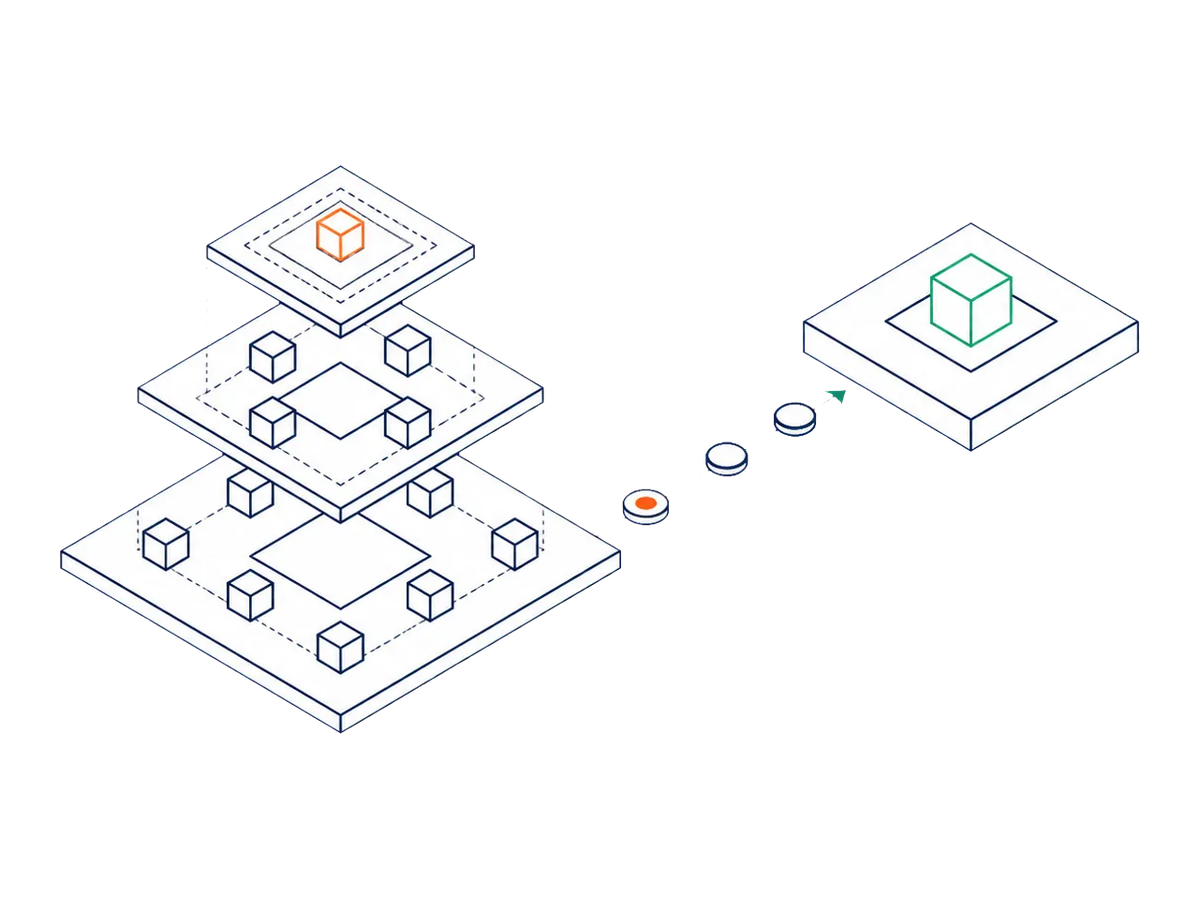
Layered academic reports showing concept pathways and evidence patterns

Assessment context

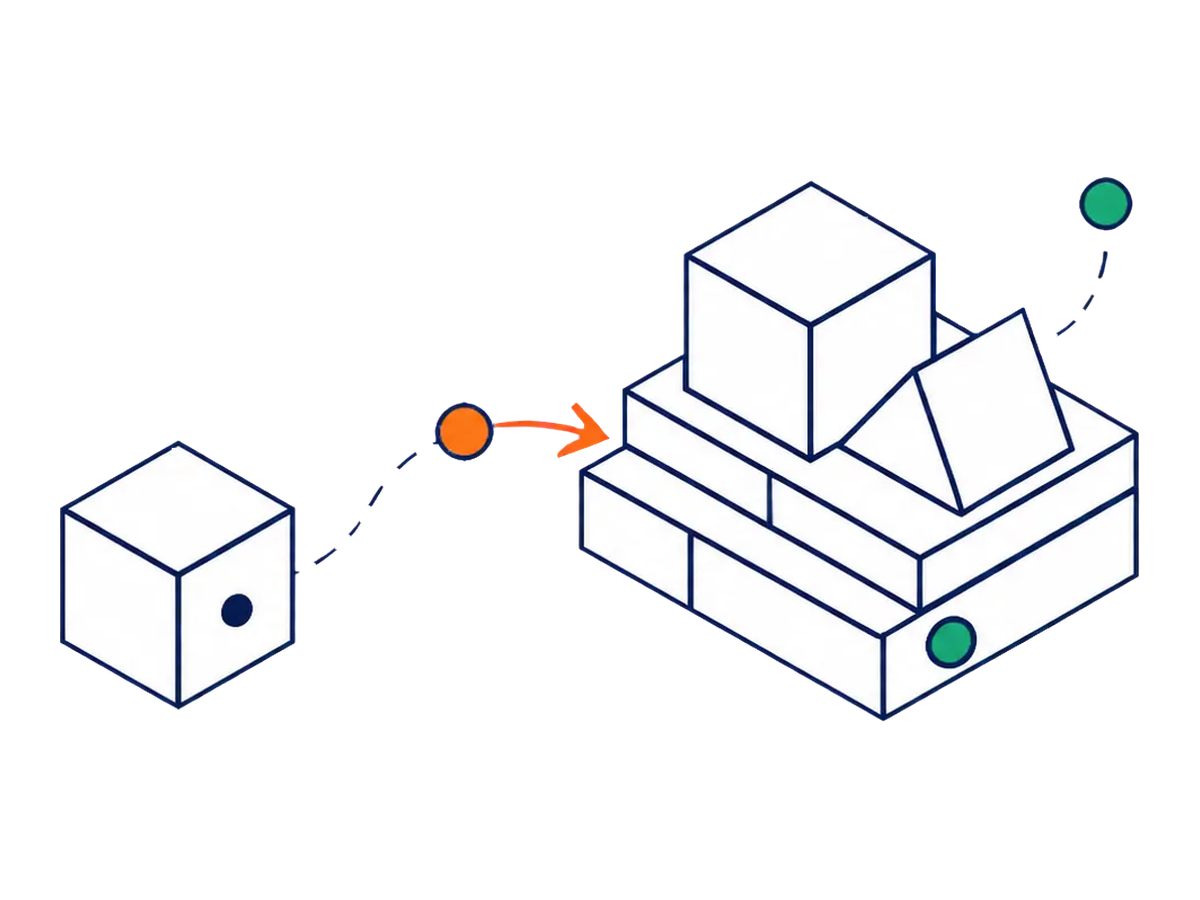
The same score can hide different learning needs.

01 / Your assessment shows

70/100

How the learner performed

A score records the outcome, not the learning pattern behind it.

02 / Academic Checkups examine

What may deserve attention next

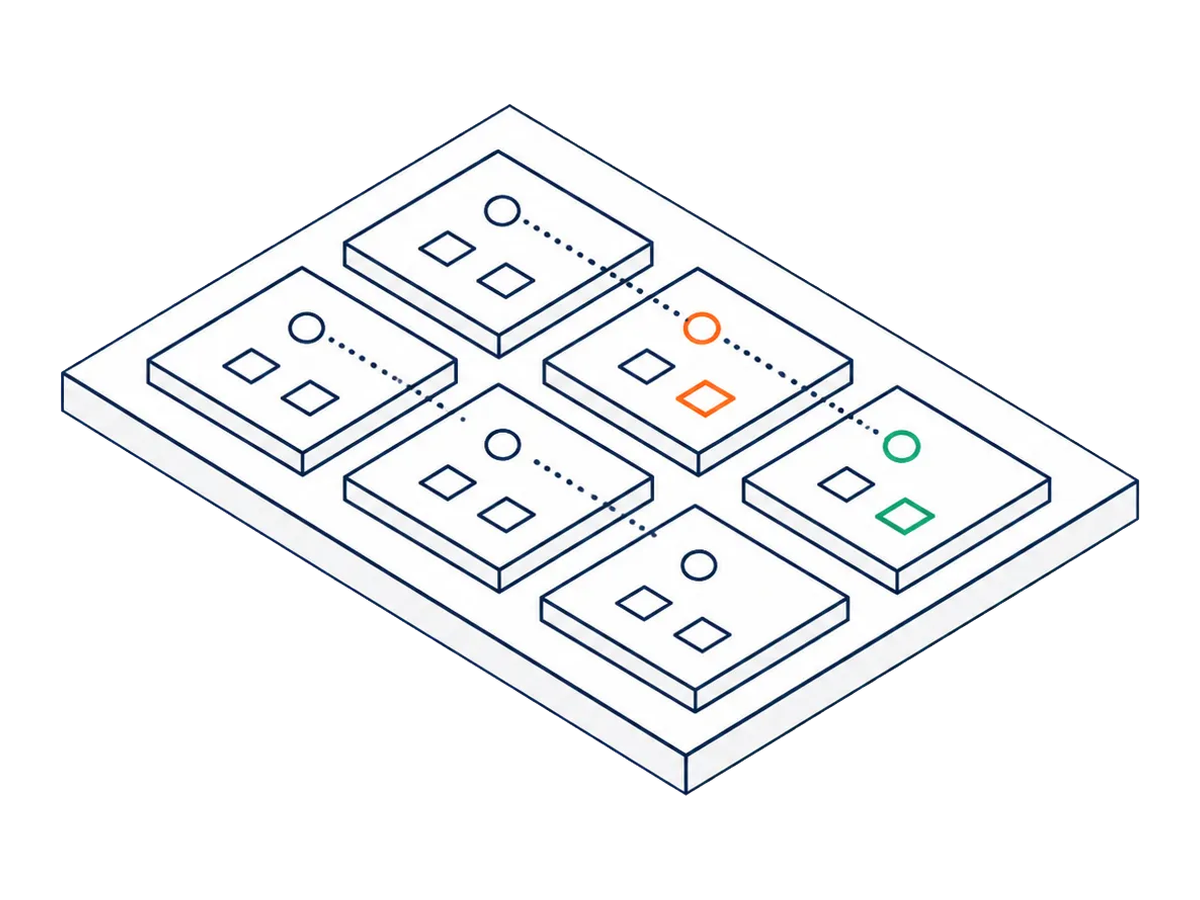
A focused checkup reveals patterns within the responses.

  1. 01Concept-level performance
  2. 02Prerequisites worth revisiting
  3. 03Direct vs. application patterns
  4. 04Classroom-wide patterns
  5. 05Focus areas for academic review

Academic Checkup framework

Match each academic question with the right checkup.

Each checkup examines a defined academic question. CGA is the detailed example on this page.

Concept Gap Analysis

What deserves attention next?

Organizes responses by concepts, prerequisites, application patterns, and classroom priorities.

Why CGA
RCI

Retention Check Index

A planned checkup for reviewing retention of previously taught concepts.

FERI

Final Exam Readiness Index

A planned checkup for organizing evidence relevant to final-exam preparation.

LEI

Learning Efficiency Index

A planned checkup for reviewing how learning effort connects with academic task evidence.

ASE

Academic Stress & Engagement Survey

A planned survey for understanding learner-reported academic stress and engagement.

Concept Gap Analysis

CGA moves from a score to a better question.

CGA helps academic teams decide where to look first.

  1. 01

    Concepts

    See which assessed concepts appear strong or need another look.

  2. 02

    Prerequisites

    Identify earlier learning worth reviewing alongside priority concepts.

  3. 03

    Direct vs. application

    Compare direct and applied response patterns where the assessment supports it.

Review process

From assessment to action.

The cohort, assessment, and academic question define the review.

  1. 01

    Set the context

    Define the cohort, assessment, and academic question.

  2. 02

    Assess

    Collect responses from the selected assessment.

  3. 03

    Organize evidence

    Map responses to concepts, prerequisites, and question types.

  4. 04

    Create report views

    Present the evidence for each audience.

  5. 05

    Review priorities

    Examine gaps, patterns, and classroom trends.

  6. 06

    Decide next steps

    Combine the evidence with academic judgment.

Evidence views

One assessment. A clearer view of the evidence.

01

Concept strengths and gaps

Spot stronger concepts and areas for review.

02

Prerequisite priorities

Find earlier concepts worth revisiting.

03

Direct vs. application patterns

Compare straightforward and applied responses.

04

Classroom patterns

See patterns shared across the classroom.

05

Revision priorities

Focus revision, reteaching, and discussion.

See the cohort pattern.

Review where academic attention may be needed across the selected cohort.

  • Concept-level cohort patterns
  • Subject-wise performance
  • Direct vs. application patterns
  • Shared prerequisite priorities
  • Distribution of learning priorities
  • Academic discussion points
School reportIllustrative sample · synthetic data
Cedar Ridge AcademyAggregated academic view
96learners
Direct72%
Applied62%
1Fractions31 learners
2Place value24 learners
3Scientific vocabulary19 learners
Illustrative sample · synthetic data. 96 learners are distributed across four score bands: 12 secure, 38 developing, 34 priority, and 12 urgent. Subject evidence: Logic 68%, Math 61%, Science 75%. Direct response evidence is 72% and applied response evidence is 62%. Prerequisite priorities affect 31, 24, and 19 learners.

Make revision more focused.

Show the learning areas behind the percentage.

  • Concept strengths
  • Developing concepts
  • Priority concepts
  • Prerequisite priorities
  • Direct vs. application patterns
  • Focused revision areas
Parent reportIllustrative sample · synthetic data
AM
Aarav Mehta30 response points reviewed
Recall76%
Application64%
Secure 5Developing 3Priority 2
Prerequisite priorityFractions
Illustrative sample · synthetic data. Aarav Mehta's overall score is 70% across 30 questions. Subject evidence: Logic 73%, Math 63%, Science 77%. Recall is 76% and application is 64%. Five concepts are secure, three developing, and two priority. Fractions is the prerequisite priority.

Using the reports

Turn evidence into focused action.

01

Principals

Cohort priorities

See where the academic team should look closer.
02

Teachers

Classroom review

Focus reteaching, revision, and practice.
03

Parents

Focused support

Discuss specific learning areas and support.
04

Learners

Focused revision

Know which concepts to revisit first.

AcadX

Beyond one academic checkup.

AcadX is ACIC India’s broader direction for connecting academic information, checkups, reports, and workflows.

Explore AcadX (Opens in a new tab)

Common questions

Before we begin.

The essentials, in one place.
Bring your academic question.

We’ll explore the right checkup for your school’s context.

Discuss Academic CheckupsView CGA Reports